If you've read anything about California's new probate shortcut for homes under $750,000, you may have come away thinking your family's SLO County house is covered. For a meaningful share of homeowners here, it isn't. Assembly Bill 2016 amended Probate Code sections 13150 through 13154, effective April 1, 2025, and it genuinely helps some families avoid a full probate proceeding. But the $750,000 figure is a gross value cap on the home alone, and a lot of San Luis Obispo County real estate clears that number without much trouble.
Here's what the law actually does, who it helps, and why it's not a substitute for a properly funded trust if your property is worth what most property here is worth.
What AB 2016 Actually Changed
Before this law, California's simplified procedure for transferring a decedent's real property without full probate — the Petition to Determine Succession to Real Property under Probate Code Section 13151 — was tied to the same $184,500 small estate threshold that applies to personal property like bank accounts and vehicles. Because that threshold hadn't kept pace with California home values, almost no house in the state qualified, and nearly every family with a home in the decedent's name alone ended up in full probate regardless of how modest the estate otherwise was.
AB 2016 carves the decedent's primary residence out of that shared threshold and gives it its own, much higher cap: $750,000 in gross value, adjusted periodically by the Judicial Council. The personal property threshold stays at $184,500 and is unaffected. If the primary residence qualifies, the successor can file the simplified petition instead of opening a full probate case, which typically means months instead of a year or more, and meaningfully lower attorney and court costs.
Why $750,000 Doesn't Cover Most of SLO County
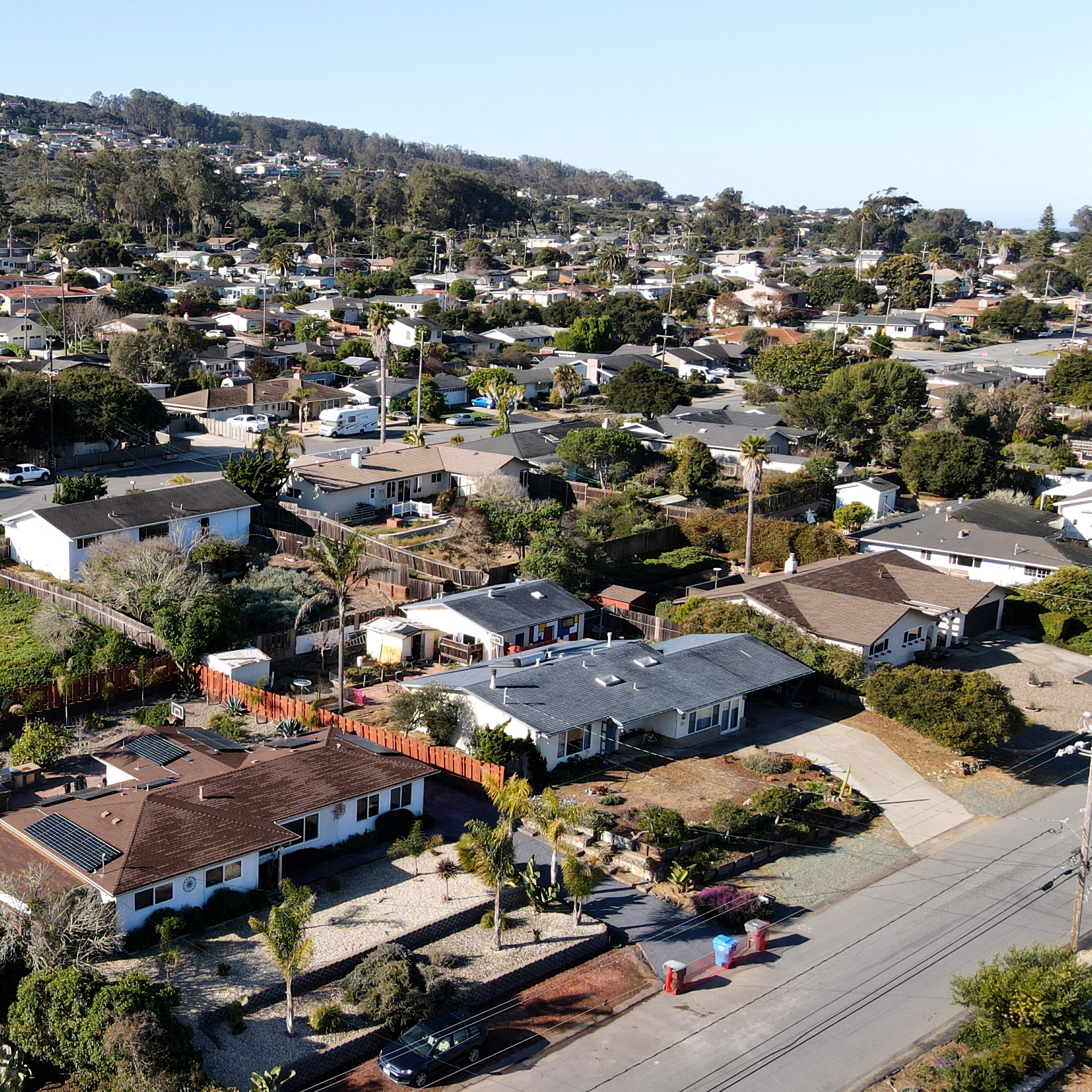
Gross value means the fair market value of the property, not the equity the family actually holds. A house with a $700,000 mortgage balance and a $750,000 market value is still valued at $750,000 for this purpose — the mortgage doesn't reduce the number that matters. And a modest home near downtown San Luis Obispo, in the Broad Street corridor, or close to Cal Poly now routinely clears $900,000 to $1.1 million. Coastal properties in Morro Bay, Avila Beach, and Shell Beach frequently sell well above that. For a large share of families in this county, the home alone exceeds the new threshold before you even look at the rest of the estate.
That's the gap that catches people off guard. AB 2016 got real, favorable press coverage when it passed, and it's easy to read a headline about a "$750,000 probate shortcut" and assume your house is covered. The number is real. Whether it applies to your specific property is a separate question, and it depends entirely on what the home is actually worth today, not what you paid for it or what the county assessor has it valued at for property tax purposes under Proposition 13.
How the Simplified Petition Works When It Does Apply
When a primary residence does fall at or under $750,000 in gross value, the successor — typically a surviving spouse, domestic partner, or the person named to inherit the property — files a Petition to Determine Succession to Real Property with the probate court in the county where the decedent lived. The petition requires an Inventory and Appraisal of the property, notice to heirs and beneficiaries, and a court hearing, but it skips the extended administration process, the requirement for a probate referee on every asset, and the multiple rounds of notice and accounting that a full probate case involves. Filed and handled correctly, it can resolve in a matter of months rather than the twelve to eighteen months typical of a contested or even routine full probate matter in SLO County Superior Court.
It still requires a court filing, a hearing date, and a valid legal basis for the successor's claim to the property. It is not a do-it-yourself form you fill out at the county recorder's office. Errors in the petition, disputes among heirs, or an appraisal that comes in over $750,000 after the petition is filed can all derail the simplified process and push the matter into full probate anyway.
What the Law Doesn't Fix
AB 2016 is a narrower fix than it sounds. It applies only to the decedent's primary residence, only up to the current gross value cap, and only when there's a clear successor with a valid claim. It does nothing for:
- Second homes and rental property. A vacation property in Paso Robles wine country or a rental duplex in Atascadero still falls under the general $184,500 threshold if it's not the decedent's primary residence, which almost no investment property in this county meets.
- Estates with disputes among heirs. The simplified petition assumes a straightforward successor. Contested claims, blended-family disagreements, or unclear wills still require full probate litigation.
- Properties near or above the cap. If your home is worth $750,000 today, it may well be worth more by the time a probate matter is actually filed, especially given how SLO County property values have moved. Relying on a threshold you're close to is a risk, not a plan.
- Anything beyond the house itself. Bank accounts, vehicles, business interests, and other individually titled assets are governed by separate thresholds and rules entirely.
The Actual Fix Is Still a Funded Trust
A properly funded revocable living trust avoids probate on the residence entirely, regardless of its value, and it avoids the court filing, the hearing, the appraisal requirement, and the public record that comes with any probate petition, simplified or not. AB 2016 is a meaningful improvement for families who end up in probate without a trust in place. It is not a reason to skip planning if your property is worth what SLO County property is generally worth. See our trusts and estate planning page for how a living trust is structured, or our living trusts and wills page for where to start if you don't have one yet. If you're already administering an estate and want to know whether AB 2016's shortcut applies to your situation, our probate team can tell you within a free consultation whether the numbers work.
We serve San Luis Obispo and the surrounding county from our downtown office at 1235 Palm St, two blocks from the SLO County Courthouse. Call (888) 461-2215 to schedule a free consultation, by phone, video, or in person. Same-week appointments are often available.